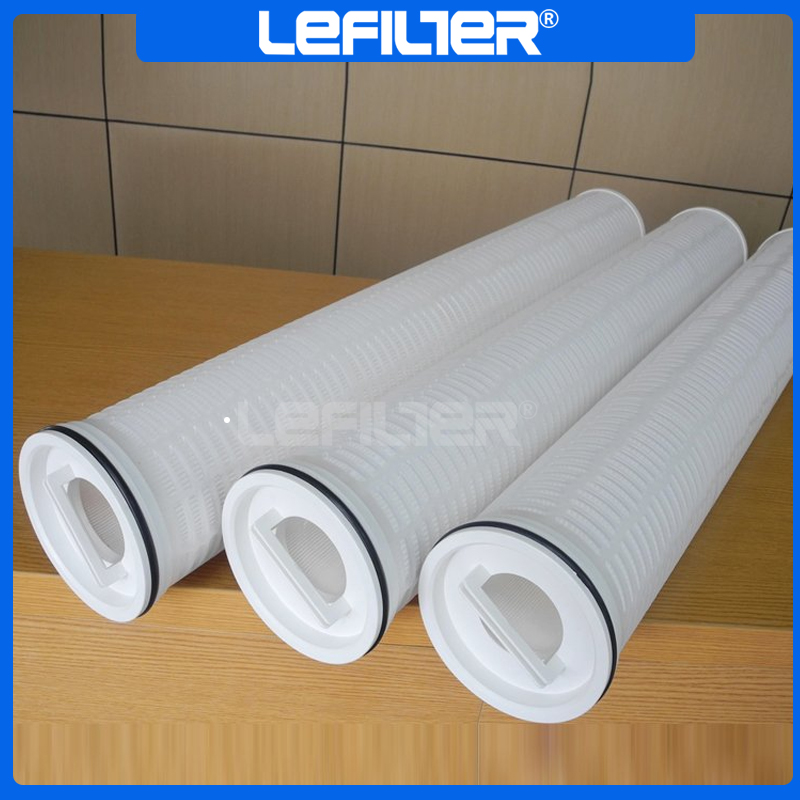
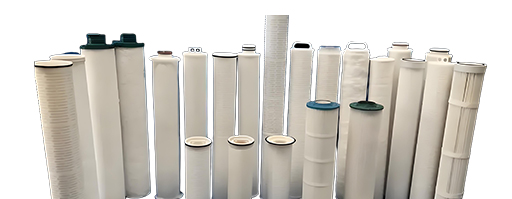


High-Flow Filter Cartridges: Advanced Filtration Technology for Challenging Oil & Gas Applications
Introduction
In the complex landscape of oil and gas operations, water management remains one of the most persistent and costly challenges. The industry generates enormous volumes of produced water containing challenging contaminants including hydrocarbons, suspended solids, and chemical additives. Traditional filtration methods often prove inadequate for these demanding applications, leading to operational inefficiencies and compliance issues. This white paper examines how advanced high-flow filter cartridge technology provides an optimal solution for produced water treatment, offering superior performance and economic benefits for oil and gas operators.
The Produced Water Treatment Challenge
Produced water characteristics vary significantly between operations, but typically present several common challenges for filtration systems. The fluid stream often contains high concentrations of suspended solids, emulsified oils, and dissolved contaminants that must be removed to meet injection specifications or discharge requirements. Conventional filtration approaches using standard cartridges or bag filters struggle with these conditions, resulting in frequent change-outs, system downtime, and high operating costs.
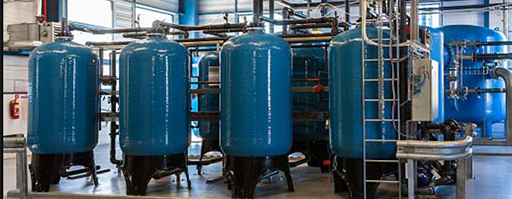
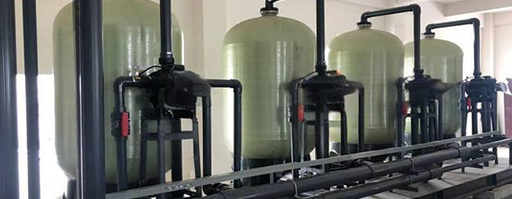
The limitations of traditional filtration become particularly apparent in high-volume applications. Standard cartridge systems require multiple vessels and hundreds of elements to handle typical flow rates, consuming valuable space and creating maintenance challenges. The rapid loading characteristics of conventional filters in produced water applications lead to short service cycles, increasing labor requirements and generating significant waste disposal volumes. These factors combine to create a substantial operational burden that impacts both profitability and environmental compliance.
Technical Innovation in High-Flow Filtration Design
Modern high-flow filter cartridges address these challenges through fundamental redesign of the filtration element. Unlike conventional approaches that simply scale up existing designs, these products incorporate specific engineering innovations tailored to the unique demands of produced water treatment.
The core advancement lies in the optimized utilization of available space. Through sophisticated pleat design and media configuration, high-flow cartridges achieve up to 10 times the filtration area of standard 40-inch cartridges. This expanded surface area directly translates to increased dirt-holding capacity and extended service life. The geometric optimization ensures maintained structural integrity while maximizing contaminant retention capability.
Media selection and construction represent another critical innovation. Advanced composite materials provide both mechanical strength and chemical compatibility with produced water constituents. The multi-layer media architecture incorporates progressively finer filtration stages within a single element, enabling efficient capture of both particulate matter and hydrocarbon droplets. This graded density approach prevents surface blinding and ensures full utilization of the media depth throughout the service cycle.
Operational Advantages for Oil & Gas Applications
The implementation of high-flow filter cartridges delivers measurable benefits across multiple aspects of produced water management. The extended service intervals directly reduce operational expenditures through decreased cartridge consumption, reduced labor requirements, and minimized system downtime. Fewer change-outs also translate to less waste generation, addressing both cost and environmental concerns associated with spent filter disposal.
For water injection applications, consistent filtration performance is essential for maintaining reservoir integrity. The high-flow design provides stable differential pressure characteristics throughout the service cycle, ensuring consistent water quality for injection operations. This reliability helps prevent formation damage and maintains injectivity, supporting optimal recovery performance.
In discharge scenarios, the technology demonstrates excellent removal efficiency for both suspended solids and dispersed oil. The controlled pore structure and optimized flow distribution within the cartridge enable reliable compliance with regulatory requirements, even under variable feed conditions. This performance consistency provides operators with greater confidence in their water management systems.
Economic Considerations and Implementation Strategy
The economic analysis of high-flow filtration extends beyond simple cartridge pricing. A comprehensive evaluation must consider the total cost of ownership, including replacement frequency, labor requirements, disposal costs, and system performance. While individual high-flow cartridges may carry a higher initial price than conventional alternatives, their extended service life and reduced maintenance requirements typically deliver significant cost savings over the operational lifecycle.
System design benefits from the reduced footprint and simplified piping arrangements enabled by high-flow technology. The consolidation of filtration capacity into fewer, larger elements allows for more compact system layouts and reduced installation costs. The decreased number of vessels and connections also minimizes potential leak points and simplifies maintenance procedures.
Implementation planning should include careful consideration of housing compatibility, flow distribution, and change-out procedures. Proper system design ensures optimal performance and facilitates efficient maintenance operations. The reduced frequency of cartridge replacements also enhances safety by minimizing worker exposure to process fluids and confined space entries.
Future Developments and Industry Trends
The evolution of high-flow filtration technology continues to address emerging industry requirements. Ongoing research focuses on enhanced media configurations for improved removal efficiency, particularly for sub-micron particles and stabilized emulsions. Material science advancements aim to extend chemical compatibility and temperature resistance for increasingly challenging produced water streams.
The integration of monitoring and predictive maintenance technologies represents another significant trend. Smart filter systems incorporating pressure and temperature sensors can provide real-time performance data and service life predictions, enabling optimized change-out scheduling and reducing unplanned downtime. These digital capabilities complement the inherent advantages of high-flow design to deliver additional operational benefits.
Conclusion
High-flow filter cartridge technology represents a significant advancement in produced water management for the oil and gas industry. The technical innovations in cartridge design directly address the limitations of conventional filtration approaches, delivering improved performance, reduced operating costs, and enhanced operational reliability. As water management requirements continue to evolve, these systems provide a robust platform for meeting both current and future challenges.
The implementation of high-flow technology requires careful system evaluation and planning, but the potential benefits justify the consideration for both new installations and retrofit applications. By understanding the technical capabilities and economic advantages, operators can make informed decisions regarding filtration system selection and optimization.